
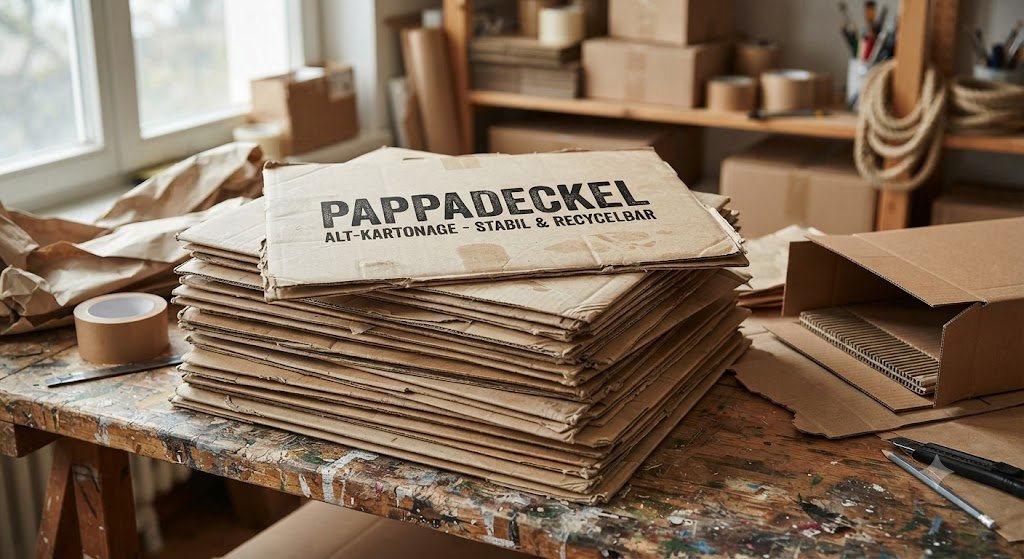
A Pappedeckel is a cardboard-based lid or cover designed to protect, close, and enhance different types of packaging. From food containers and gift boxes to industrial packaging solutions, Pappedeckel products are widely used because they combine durability, lightweight construction, and environmentally friendly properties.
As businesses move away from excessive plastic usage, sustainable packaging materials have become more important than ever. The growing demand for recyclable solutions has made Pappedeckel an increasingly popular choice for brands looking to improve both packaging performance and environmental responsibility.
Unlike simple paper covers, a well-designed Pappedeckel provides structural support, product protection, and an opportunity for branding. Depending on the material, thickness, and coating, these cardboard lids can handle different requirements, including transportation, storage, moisture resistance, and premium presentation.
This complete guide explains what Pappedeckel means, how it is manufactured, where it is used, its advantages compared to other materials, and what businesses should consider when choosing the right cardboard lid solution.
What Is a Pappedeckel?
A Pappedeckel is a German term commonly referring to a cardboard lid, paperboard cover, or cardboard closing element used for packaging applications. It is usually manufactured from materials such as solid cardboard, greyboard, kraft board, or corrugated cardboard, depending on the required strength.
The primary purpose of a Pappedeckel is to cover and protect products while creating a secure packaging system. It can be attached permanently or designed as a removable lid.
Common characteristics include:
- Lightweight construction
- High recyclability
- Customizable shapes and sizes
- Printable surfaces
- Easy manufacturing process
- Compatibility with sustainable packaging goals
Unlike plastic alternatives, cardboard lids offer a more natural appearance and are often preferred by brands that want to communicate environmental awareness.
Different Types of Pappedeckel Available
The term Pappedeckel covers several variations depending on material, design, and application. Choosing the right type depends on the product requirements.
Standard Pappedeckel for Boxes and Packaging
The most common type is a simple cardboard lid used for everyday packaging solutions.
These lids are commonly found in:
- Storage boxes
- Shipping cartons
- Product packaging
- Retail boxes
- Gift packaging
Standard Pappedeckel designs are affordable, easy to manufacture, and suitable for businesses that need practical packaging without complex features.
Food-Grade Pappedeckel for Food Packaging
The food industry requires packaging materials that meet strict safety standards. A food-grade Pappedeckel is designed with special properties that protect food products while maintaining hygiene.
Typical applications include:
- Takeaway food containers
- Bakery boxes
- Cake packaging
- Pizza boxes
- Dessert containers
- Snack packaging
Some food-related cardboard lids include protective coatings that improve resistance against:
- Oil
- Grease
- Moisture
- Heat
This makes them suitable for restaurants, bakeries, catering companies, and food manufacturers.
Printed Pappedeckel for Branding
Modern packaging is not only about protection. It is also a powerful marketing tool.
A custom printed Pappedeckel allows companies to display:
- Brand logos
- Product information
- Instructions
- Marketing messages
- Sustainability claims
- QR codes
For e-commerce businesses, packaging is often the first physical interaction customers have with a brand. A professionally designed cardboard lid can create a stronger unboxing experience.
Premium Pappedeckel Made From Greyboard
Greyboard packaging is known for its strength and premium appearance. It is frequently used for luxury products where durability and presentation matter.
Common uses include:
- Jewelry boxes
- Cosmetic packaging
- Premium gift boxes
- Presentation cases
- Book covers
Greyboard Pappedeckel options can also include additional finishing techniques such as:
- Embossing
- Foil stamping
- Lamination
- Special textures
How Is a Pappedeckel Manufactured?
The production process of a Pappedeckel involves several carefully controlled steps to ensure quality, durability, and accurate dimensions.
1. Material Selection
Manufacturers first select suitable cardboard materials based on the intended purpose.
Factors considered include:
- Required strength
- Product weight
- Moisture exposure
- Printing requirements
- Sustainability goals
For example, a luxury product box may require thick greyboard, while a lightweight shipping package may use kraft cardboard.
2. Cutting and Shaping
Large cardboard sheets are cut into specific shapes using industrial cutting machines.
Modern production methods allow manufacturers to create:
- Standard rectangular lids
- Circular covers
- Custom-shaped designs
- Foldable structures
Precision cutting ensures that the lid fits perfectly with the packaging base.
3. Folding and Assembly
After cutting, the cardboard is folded, pressed, or assembled into the required structure.
Manufacturers may use:
- Creasing techniques
- Folding systems
- Adhesive bonding
- Mechanical locking methods
The goal is to create a strong but practical packaging component.
4. Printing and Surface Treatment
Many businesses customize their Pappedeckel with branding elements.
Common finishing options include:
- Offset printing
- Digital printing
- Matte coating
- Gloss coating
- Protective layers
These processes improve both appearance and durability.
Benefits of Using Pappedeckel in Packaging
The popularity of Pappedeckel continues to grow because they provide multiple advantages for businesses and consumers.
Environmentally Friendly Packaging Option
One of the biggest advantages of cardboard lids is sustainability.
Most Pappedeckel products are:
- Recyclable
- Made from renewable paper fibers
- Compatible with circular packaging systems
- Easier to dispose of compared to many plastics
As consumers become more environmentally conscious, brands are actively replacing unnecessary plastic components with paper-based alternatives.
Lightweight and Cost-Effective
Transportation costs are strongly influenced by packaging weight.
Pappedeckel solutions offer:
- Lower shipping weight
- Reduced storage requirements
- Efficient handling
- Lower production costs
For businesses shipping thousands of products, lightweight packaging can create significant savings.
Excellent Customization Opportunities
Cardboard is highly adaptable compared to many other packaging materials.
Companies can customize:
- Size
- Shape
- Thickness
- Color
- Printing
- Texture
This flexibility makes Pappedeckel suitable for both simple packaging and premium branded products.
Better Brand Perception
Packaging influences purchasing decisions.
A well-designed cardboard lid can communicate:
- Quality
- Sustainability
- Professionalism
- Attention to detail
Many customers associate paper-based packaging with environmentally responsible brands.
Pappedeckel vs Plastic Lids: Which Is Better?
Both cardboard and plastic lids have advantages, but their suitability depends on the application.
| Feature | Pappedeckel | Plastic Lid |
|---|---|---|
| Sustainability | Highly recyclable | Often creates recycling challenges |
| Weight | Lightweight | Lightweight |
| Moisture Resistance | Depends on coating | Usually higher |
| Custom Printing | Excellent | Limited compared to cardboard |
| Environmental Image | Strong | Often criticized |
For dry products, retail packaging, and sustainable brands, Pappedeckel is often the preferred choice. However, applications requiring extreme moisture protection may still require plastic solutions.
Common Applications of Pappedeckel
Pappedeckel products are used across multiple industries because of their versatility.
Food and Beverage Industry
Food companies use cardboard lids for:
- Bakery packaging
- Takeaway containers
- Dessert boxes
- Catering solutions
- Snack packaging
The main priorities are safety, convenience, and product protection.
E-Commerce Packaging
Online retailers increasingly use cardboard packaging because customers expect sustainable delivery solutions.
Pappedeckel helps businesses:
- Protect products during shipping
- Improve packaging appearance
- Create memorable unboxing experiences
- Reduce plastic waste
Retail and Luxury Packaging
Premium brands use customized cardboard lids to improve product presentation.
Examples include:
- Cosmetics
- Fashion accessories
- Electronics
- Specialty products
A high-quality Pappedeckel can transform ordinary packaging into a premium customer experience.
How to Choose the Right Pappedeckel?
Selecting the correct cardboard lid requires evaluating several important factors.
Consider Material Strength
The cardboard thickness should match the product requirements.
Important considerations:
- Product weight
- Transportation conditions
- Storage duration
- Protection requirements
Using weak material may result in damaged products.
Check Size Accuracy
A properly fitting Pappedeckel ensures maximum protection.
Measure:
- Length
- Width
- Height
- Closing mechanism
Incorrect dimensions can reduce packaging performance.
Evaluate Sustainability Features
Businesses should look for:
- FSC-certified materials
- Recycled cardboard options
- Water-based inks
- Plastic-free coatings
These choices support stronger environmental commitments.
Future Trends of Pappedeckel Packaging
The packaging industry is moving toward more sustainable and innovative solutions. This trend will continue increasing demand for advanced cardboard packaging.
Future developments include:
- Improved moisture-resistant coatings
- Stronger recycled fibers
- Plastic-free barrier technology
- Smart packaging designs
- Minimalist packaging concepts
Companies are no longer looking only for packaging that protects products. They are searching for solutions that also support brand values and environmental responsibility.
Common Mistakes When Using Pappedeckel
Although cardboard lids are highly versatile, businesses sometimes make mistakes during selection or production.
Choosing the Wrong Material
Not every cardboard type works for every product. Lightweight cardboard may fail when used for heavy items.
Ignoring Environmental Conditions
Products exposed to humidity or liquids may require protective coatings.
Poor Design and Fit
A badly designed lid can affect:
- Product protection
- Customer experience
- Packaging efficiency
Proper planning helps avoid these issues.
Frequently Asked Questions About Pappedeckel
What does Pappedeckel mean?
Pappedeckel means a cardboard lid or paperboard cover used to close and protect packaging. It is commonly used in food packaging, retail boxes, shipping solutions, and premium product packaging.
Are Pappedeckel environmentally friendly?
Yes, most Pappedeckel products are considered environmentally friendly because they are recyclable and can be produced from renewable paper fibers. Their sustainability depends on coatings, production methods, and recycling systems.
Can Pappedeckel be used for food packaging?
Yes, specially designed food-grade Pappedeckel products are widely used for bakery boxes, takeaway containers, and other food applications. They must meet food safety requirements.
How strong is a Pappedeckel?
The strength depends on the material type and thickness. Heavy-duty cardboard and greyboard lids can provide excellent durability for demanding applications.
Can companies customize Pappedeckel designs?
Yes, manufacturers can customize Pappedeckel with different sizes, colors, shapes, printing options, and surface finishes to match brand requirements.
Conclusion: Why Pappedeckel Is Becoming a Key Packaging Solution
The Pappedeckel has become an important part of modern packaging because it combines practicality, sustainability, and design flexibility. From food containers to luxury product boxes, cardboard lids provide a reliable alternative to many traditional packaging materials.
Businesses choosing packaging solutions should focus on more than just price. Material quality, environmental impact, customer experience, and brand presentation all play an important role.
As demand for sustainable packaging continues to rise, Pappedeckel solutions will remain a valuable option for companies looking to protect products while reducing their environmental footprint. The next step is to evaluate your packaging needs, choose the right cardboard material, and invest in a design that supports both functionality and long-term brand value.
