
Anna Lake invasive species are becoming an increasingly important environmental concern for residents, anglers, conservationists, and recreational visitors in Virginia. Officially known as Lake Anna, this popular freshwater reservoir supports diverse aquatic habitats, recreational fishing, boating, and waterfront communities. Yet beneath its calm surface, invasive aquatic plants and non-native animals present challenges that require careful monitoring and long-term management.
The most prominent concern is hydrilla, an aggressive submerged plant capable of forming thick underwater vegetation that restricts navigation and alters aquatic habitats. Other documented organisms, including northern snakehead fish and Asian clams, raise additional ecological questions. Understanding which species are actually present, how they spread, and what authorities are doing about them is essential to protecting the lake.
The encouraging news is that Lake Anna already has an organized invasive-species management program. Through scientific monitoring, targeted vegetation control, and community participation, environmental authorities are working to preserve the reservoir without unnecessarily damaging beneficial aquatic habitats.
What Are Anna Lake Invasive Species?
Anna Lake invasive species are non-native organisms that establish themselves in the reservoir and can cause environmental, ecological, or economic harm. These organisms may include aquatic plants, fish, mollusks, and other freshwater species that spread beyond their original geographical ranges.
Not every introduced species becomes invasive. Some remain at low population levels, while others reproduce rapidly, compete with native wildlife, or change the physical characteristics of their environment.
The distinction matters because species presence does not automatically prove ecological damage. Effective environmental management requires evidence about population growth, habitat effects, and the likelihood of further spread.
Which Invasive Species Have Been Documented in Lake Anna?
An environmental review published through the U.S. Nuclear Regulatory Commission identifies hydrilla, northern snakehead, and Asian clam among the reservoir’s invasive or nuisance organisms. These findings provide a stronger foundation than assuming every invasive species found elsewhere in Virginia is established in Lake Anna.
| Species | Scientific name | Documented status or concern |
|---|---|---|
| Hydrilla | Hydrilla verticillata | Established; actively managed |
| Northern snakehead | Channa argus | Documented in the reservoir system |
| Asian clam | Corbicula fluminea | Present; potential ecological and infrastructure impacts |
| Zebra mussel | Dreissena polymorpha | Prevention threat; no known established Virginia population |
The distinction between established and potential invaders is especially important for zebra mussels. The Virginia Department of Wildlife Resources reports no known established population in the state, making prevention the appropriate focus rather than describing them as an existing Lake Anna infestation.
Why Is Lake Anna Vulnerable to Invasive Aquatic Species?
Lake Anna is a large artificial reservoir spanning portions of Louisa, Orange, and Spotsylvania counties. Its extensive shoreline, tributaries, sheltered coves, and shallow areas create varied aquatic habitats that support both native organisms and potentially invasive vegetation.
Shallow waters allow sunlight to reach submerged plants, encouraging growth where temperature and nutrient conditions are favorable. Sheltered coves can also provide environments where dense vegetation develops without being regularly disturbed by strong currents.
Human activity introduces another risk. Fishing boats, recreational watercraft, trailers, anchors, and other equipment can transport organisms between waterways, sometimes without their owners realizing it.
The Role of Recreational Boating
A small piece of aquatic vegetation caught around a propeller may appear harmless. However, certain invasive plants can regenerate from fragments, allowing them to establish in previously unaffected locations.
Transporting water in livewells, bilges, and other compartments also creates opportunities for organisms to move between freshwater systems.
This is why cleaning, draining, and drying watercraft is a central component of invasive-species prevention throughout Virginia.
Hydrilla: The Biggest Anna Lake Invasive Species Challenge


Hydrilla is the best-documented aquatic plant management problem in Lake Anna. This submerged freshwater species is known for rapid growth, its ability to form dense vegetation near the water surface, and its capacity to reproduce through several mechanisms.
According to federal environmental documentation, hydrilla became established in Lake Anna during the 1980s. Management efforts have included sterile grass carp, aquatic herbicides, and citizen-supported monitoring.
How Does Hydrilla Spread?
Hydrilla can spread through plant fragments, underground tubers, and other reproductive structures. These survival mechanisms make long-term management difficult because removing visible vegetation does not necessarily eliminate the plant’s ability to return.
Fragments can break away through boating activity, mechanical disturbance, or natural processes. Once transported to suitable habitats, some fragments may develop into new plants.
Its underground tubers are particularly important. Even when seasonal growth disappears, these structures may remain in sediment and support future regrowth.
How Hydrilla Affects Aquatic Habitats
Excessive hydrilla growth can interfere with native plant communities by occupying space and reducing light availability. Thick vegetation can also restrict water movement in sheltered areas and complicate recreational access.
However, the ecological relationship is not entirely negative. Aquatic vegetation can provide shelter for juvenile fish, stabilize sediment, and absorb nutrients.
The Lake Anna Advisory Committee recognizes these competing effects in its management planning. Its objective is to control problematic vegetation while considering the lake’s broader ecological balance.
Why Removing Every Hydrilla Plant Is Not the Goal
Complete eradication might sound appealing, but aggressive vegetation removal can have unintended consequences. Eliminating large areas of underwater plants may reduce fish habitat and expose sediments to disturbance.
Lake Anna’s management approach instead emphasizes controlling concentrations that interfere with navigation, recreation, and other important uses.
This distinction is fundamental: successful invasive-plant management is measured by reduced harm, not simply by the amount of vegetation removed.
Northern Snakehead Fish: An Important Aquatic Predator

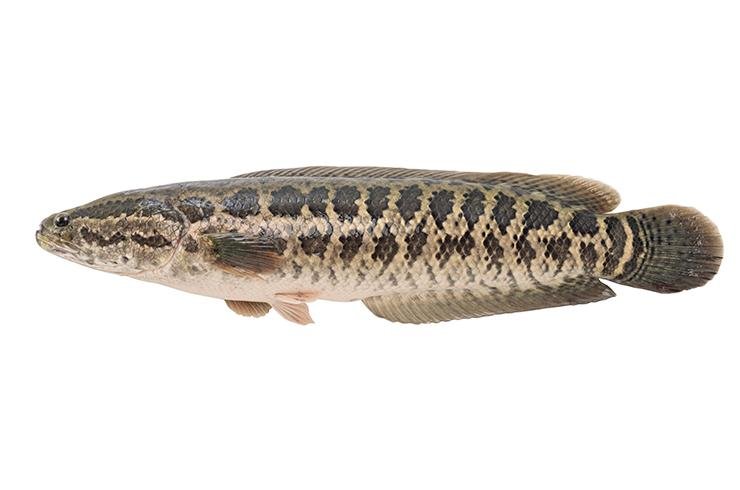
Northern snakehead is another species relevant to Anna Lake invasive species research. Originally native to parts of Asia, this predatory fish has attracted attention in American freshwater systems because of its adaptability and potential ecological effects.
Federal environmental documentation describes evidence of northern snakehead in the Lake Anna system, including a fish collected in the North Anna arm during 2019 electrofishing surveys.
What Makes Northern Snakehead Concerning?
Northern snakeheads are predators that consume fish and other aquatic organisms. Their feeding behavior can create competition with established predators, particularly when populations expand.
They also tolerate relatively low-oxygen environments, allowing them to survive under conditions that may challenge some other fish.
Still, the discovery of an individual snakehead does not establish the size of the current population or prove that substantial ecosystem damage has occurred. Those conclusions require ongoing fisheries surveys and ecological evidence.
What Should Anglers Do If They Catch One?
Anglers should follow current Virginia Department of Wildlife Resources regulations for handling and reporting northern snakeheads.
They should never release fish into a different waterbody or attempt unauthorized stocking. Accurate species identification is also important because some native fish can resemble unfamiliar invasive species.
Asian Clams and Their Hidden Environmental Effects

Unlike hydrilla, Asian clams often remain unnoticed because they live within or on freshwater sediments. Their presence may be less visually obvious, but established populations can affect bottom-dwelling organisms and infrastructure.
The federal environmental review identifies Asian clams in Lake Anna and notes that their concentrations had not reached levels requiring specific infrastructure-management action in the period assessed.
How Asian Clams Affect Freshwater Ecosystems
Asian clams filter suspended particles from water and can reproduce rapidly under suitable conditions. Dense populations may compete with native freshwater mussels and other organisms for resources.
Their shells can also accumulate in sediments, changing conditions for bottom-dwelling wildlife.
Large concentrations may interfere with intake systems and other water infrastructure. These potential impacts explain why monitoring is important even when an introduced organism does not currently cause an obvious recreational problem.
Zebra Mussels: A Potential Threat Rather Than a Confirmed Infestation
Zebra mussels deserve attention because they are among the most damaging aquatic invaders in many North American freshwater systems. Their ability to attach to hard surfaces allows them to accumulate on boats, docks, pipes, and other submerged structures.
They also filter plankton from the water, potentially changing food availability for native aquatic organisms.
There is no confirmed established zebra mussel population in Lake Anna based on the Virginia DWR information reviewed. The agency reports that Virginia has no known established population and emphasizes preventing introduction through careful equipment inspection.
Why Prevention Matters So Much
Once zebra mussels establish a reproducing population, eliminating them from an entire waterbody becomes extremely difficult.
Preventing introduction is therefore substantially more practical than relying on treatment after widespread colonization.
Lake users should be particularly careful when transporting boats from waters where zebra mussels or other invasive mollusks are known to occur.
How Anna Lake Invasive Species Affect Water Quality
Anna Lake invasive species can influence water quality through changes in vegetation density, nutrient cycling, sediment conditions, and aquatic food webs. However, the effects differ considerably depending on the organism and the scale of its population.
Dense submerged vegetation can absorb nutrients and stabilize sediments. Yet excessive growth may also create localized oxygen fluctuations, particularly when large quantities of plant material decay.
The important point is that aquatic vegetation, nutrient pollution, and harmful algal blooms are connected but distinct environmental issues.
Hydrilla Versus Harmful Algal Blooms
Lake Anna has experienced harmful algal bloom concerns, but these should not be confused with hydrilla infestations.
Hydrilla is a rooted, submerged aquatic plant. Harmful algal blooms generally involve excessive growth of cyanobacteria, some of which can produce toxins.
The two problems require different monitoring and treatment strategies. Removing hydrilla does not automatically eliminate harmful algal blooms, and the presence of hydrilla does not establish that swimming water contains toxins.
The Importance of Nutrient Management
Phosphorus and nitrogen entering freshwater systems through runoff can contribute to excessive biological growth.
Sources may include stormwater, eroded soil, lawn fertilizers, and other activities within a watershed.
Reducing unnecessary nutrient inputs can support water-quality management, although the specific response depends on local conditions and monitoring results.
How Invasive Species Affect Fishing, Boating, and Tourism
Lake Anna’s recreational value depends heavily on accessible waterways and productive fish habitats. Invasive organisms can influence both, sometimes in ways that are not immediately obvious.
For anglers, moderate underwater vegetation may provide useful fishing structure. Bass and other predatory fish can use plant edges as feeding areas, while smaller fish shelter within vegetation.
Excessively thick plant beds, however, can make casting, retrieving lures, and navigating shallow areas difficult.
Challenges for Boat Owners
Dense hydrilla can entangle propellers and restrict access to coves, docks, and narrow passages.
Boaters may also inadvertently worsen the problem when propellers cut vegetation into fragments that drift to other locations.
Careful navigation and routine equipment cleaning therefore benefit individual boat owners while supporting broader conservation efforts.
Effects on Waterfront Property Owners
For waterfront residents, dense vegetation can complicate swimming, docking, and recreational access.
These problems may create pressure for immediate removal, but unauthorized cutting or raking can spread hydrilla fragments.
Residents should seek guidance from the appropriate lake-management authority before beginning aquatic vegetation treatments.
Anna Lake Invasive Species Management: What’s Being Done in 2026?
Management of Anna Lake invasive species involves cooperation between local governments, environmental authorities, Dominion Energy, and community stakeholders.
The Lake Anna Advisory Committee (LAAC) serves as an important coordinating organization representing shared interests among Louisa, Orange, and Spotsylvania counties.
Louisa County’s official LAAC website provides access to the 2026 Hydrilla Treatment Plan and the updated management protocol. These documents establish a structured framework for monitoring, prioritizing, and treating problem areas.
1. Monitoring and Mapping Hydrilla Growth
Surveys help identify where hydrilla is present, how extensive the vegetation has become, and whether it interferes with navigation.
This information allows managers to prioritize areas where intervention may provide the greatest practical benefit.
Repeated monitoring is especially important because vegetation density can change between growing seasons.
2. Using Sterile Grass Carp
Sterile grass carp are used as a biological management tool because they consume aquatic vegetation.
Their stocking requires careful planning and authorization. Although these fish can reduce excessive hydrilla growth, too many may remove desirable vegetation and negatively affect habitat conditions.
Lake Anna has used this technique as part of its established hydrilla-management program.
3. Targeted Aquatic Herbicide Applications
Approved aquatic herbicides provide another method of controlling dense vegetation in selected areas.
Applications must be performed under appropriate regulatory requirements and management oversight.
Treatment decisions should consider water conditions, the size of the affected area, recreational access, and potential impacts on surrounding habitats.
4. Community Reporting and Public Participation
Residents can help identify newly affected locations and report vegetation that obstructs navigation.
Local reporting is particularly valuable because homeowners and frequent lake users may notice changes before scheduled surveys occur.
The LAAC’s official resources explain the management process and provide information for residents seeking assistance.
A Closer Look at the 2026 Hydrilla Management Strategy
The 2026 treatment plan represents a continuation of Lake Anna’s established approach rather than an entirely new response.
The plan references the January 22, 2026 hydrilla management protocol and explains that the committee has treated hydrilla annually since 2015.
It also identifies the Environmental and Water Quality Subcommittee as responsible for managing the protocol and developing the annual treatment plan.
Why Prioritization Is Necessary
Not every area containing hydrilla requires immediate treatment.
A sheltered cove with manageable vegetation may present fewer problems than a heavily used channel where thick plant growth interferes with navigation.
Prioritizing areas according to documented impacts helps direct limited resources toward the most urgent concerns.
Why Treatment Results Must Be Monitored
A successful treatment can reduce visible vegetation without eliminating underground reproductive structures.
That means a location may require future monitoring even after it appears clear.
Long-term effectiveness depends on observing regrowth, assessing habitat conditions, and adjusting management methods when necessary.
How to Identify Potential Invasive Species in Lake Anna
Recognizing unfamiliar aquatic organisms can help residents report possible infestations early.
However, visual identification is not always straightforward. Several native aquatic plants and fish resemble introduced species, and inaccurate identification can lead to unnecessary concern.
| Organism | Possible identification clues | Recommended response |
|---|---|---|
| Hydrilla | Slender submerged stems with narrow leaves arranged in whorls, often with toothed edges | Photograph and report suspected dense growth |
| Northern snakehead | Elongated body, long dorsal fin, snake-like head | Follow Virginia DWR identification and handling guidance |
| Asian clam | Small, rounded freshwater shell with prominent concentric ridges | Record location and seek identification |
| Zebra mussel | Small striped mussel capable of attaching to hard surfaces | Report suspected sightings promptly |
These features are preliminary identification clues, not definitive proof.
When possible, record the location, date, approximate abundance, and clear photographs without moving live organisms to another waterbody.
How to Prevent Anna Lake Invasive Species From Spreading
Preventing Anna Lake invasive species from reaching new habitats requires consistent action by boaters, anglers, residents, and visitors.
Virginia’s freshwater fishing regulations emphasize inspection and proper cleaning of boats and equipment. They also require removal of aquatic vegetation from vessels, trailers, and equipment when leaving a waterbody.
Practical Prevention Checklist
-
Clean: Remove visible mud, vegetation, and attached organisms from boats, trailers, anchors, and fishing equipment.
-
Drain: Empty bilges, livewells, and other water-holding compartments as required.
-
Dry: Allow equipment to dry thoroughly before entering another waterbody, following applicable guidance.
-
Inspect: Examine propellers, motors, trailer bunks, and difficult-to-see surfaces.
-
Avoid transfers: Never move live fish, bait, or aquatic plants between waterways without authorization.
-
Report: Notify appropriate authorities about suspicious new infestations or illegal stocking.
These actions are particularly valuable because some invasive organisms can survive in trapped water or damp equipment.
What Waterfront Residents Should Avoid
Property owners should not assume that cutting invasive plants is always beneficial.
Hydrilla fragments can establish new growth, meaning careless mechanical removal may worsen an infestation.
The county’s published hydrilla guidance specifically discourages mechanical removal methods such as raking because of the risk of spreading fragments.
What Makes Lake Anna’s Conservation Approach Different?
One important feature of Lake Anna’s approach is its recognition that aquatic vegetation provides ecological services even when a particular plant is invasive.
Rather than treating all vegetation as undesirable, managers consider navigation, habitat protection, water quality, and the effects of different control methods.
Another distinguishing feature is the involvement of local residents in monitoring and reporting.
This community-based approach can improve awareness of changing conditions across the reservoir’s extensive shoreline.
The Public and Private Sides of Lake Anna
Lake Anna includes areas with different management responsibilities, making it important for residents to contact the correct authority.
Louisa County’s published guidance explains that LAAC coordinates hydrilla concerns on the public side, while Dominion Energy handles mitigation requests associated with the Waste Heat Treatment Facility (WHTF) on the private side.
This distinction can save homeowners time and prevent confusion when seeking treatment information.
It also highlights why lake-specific management advice is more useful than general recommendations that ignore local jurisdiction.
Long-Term Environmental and Economic Impacts
Invasive species management is not simply about preserving attractive shorelines.
Aquatic invasions can affect fisheries, recreational access, infrastructure, and the costs associated with maintaining freshwater resources.
When invasive plants repeatedly obstruct high-use areas, management may require ongoing surveys, specialized contractors, biological controls, or herbicide applications.
Potential economic consequences include maintenance expenses, reduced recreational convenience, and additional infrastructure-management requirements.
Why Early Detection Can Reduce Costs
A small, newly established infestation is generally easier to assess and potentially contain than one spread across multiple coves.
Early reporting gives authorities an opportunity to evaluate the species before it becomes widespread.
However, early detection alone does not guarantee eradication. The available response depends on the organism, infestation size, habitat, and practical treatment options.
Climate and Environmental Conditions
Water temperature, seasonal changes, nutrient availability, and water clarity can influence aquatic plant growth.
Warmer conditions may lengthen suitable growing periods for some species, although individual responses vary.
Future management should therefore remain flexible rather than assuming that every growing season will produce identical vegetation patterns.
The Future of Anna Lake Invasive Species Control
The future of Anna Lake invasive species management will depend on sustained monitoring, public cooperation, and scientifically informed treatment decisions.
Hydrilla will likely remain an important management priority because its reproductive structures can support regrowth after visible vegetation has declined.
Other introduced organisms require continued observation, while potential invaders such as zebra mussels underscore the importance of prevention.
Three Priorities for Long-Term Protection
First, strengthen early detection. Consistent surveys and accurate reporting can help managers identify changing infestations before they become major problems.
Second, protect ecological balance. Management decisions should account for fish habitat, native vegetation, sediment stability, and recreational access rather than focusing only on plant removal.
Third, reduce opportunities for new introductions. Responsible boating, legal fish handling, and proper equipment cleaning remain essential defenses against the spread of aquatic invaders.
Frequently Asked Questions About Anna Lake Invasive Species
1. What is the most common invasive species in Lake Anna?
Hydrilla is the principal invasive aquatic plant receiving organized management attention in Lake Anna. It can form dense underwater vegetation, interfere with boating, and spread through plant fragments and underground reproductive structures.
The Lake Anna Advisory Committee uses surveys, approved herbicide treatments, and carefully managed sterile grass carp stocking to control excessive growth. Other documented non-native organisms include northern snakehead and Asian clam, but their management needs differ from those of hydrilla.
2. Are Anna Lake invasive species dangerous to swimmers?
The presence of invasive aquatic plants does not automatically make lake water toxic. However, dense underwater vegetation can interfere with swimming and create localized recreational hazards, especially where plants obstruct movement.
Harmful algal blooms are a separate concern because some cyanobacteria can produce toxins. Before swimming, visitors should check current Virginia Department of Health advisories and avoid water with suspicious scums, unusual discoloration, or posted warnings.
3. How did invasive species get into Lake Anna?
Different organisms may have entered Lake Anna through different pathways, including intentional or accidental introductions and movement through connected waterways.
Aquatic plants can spread when fragments attach to boats, trailers, and fishing equipment. Some non-native fish and mollusks may be introduced through unauthorized stocking, bait movement, or contaminated equipment, although a particular species’ exact introduction pathway may remain uncertain.
4. What is being done to control invasive species in Lake Anna in 2026?
The Lake Anna Advisory Committee maintains an official hydrilla management program supported by monitoring, prioritization of affected areas, and approved treatment methods.
The 2026 Hydrilla Treatment Plan continues the use of coordinated management procedures, including biological controls and targeted herbicide applications where appropriate. Residents can consult Louisa County’s official LAAC page for current treatment documents and guidance.
5. Can invasive species be completely removed from Lake Anna?
Complete eradication of a well-established invasive species can be extremely difficult, particularly when organisms reproduce rapidly or maintain hidden survival structures.
Hydrilla, for example, can return from underground tubers even after visible plants have been reduced. For Lake Anna, sustained management, early detection, responsible recreation, and carefully targeted treatments offer a more realistic strategy for minimizing environmental harm.
Conclusion: Protecting Lake Anna Requires Action From Everyone
Anna Lake invasive species present genuine environmental challenges, but the situation is more complex than a simple battle against unwanted plants and animals. Hydrilla requires active vegetation management, northern snakehead and Asian clam warrant ecological attention, and potential invaders such as zebra mussels make prevention especially important.
The strongest conservation strategy combines scientific monitoring, responsible treatment, habitat protection, and public participation. Lake Anna’s existing management program provides a framework for balancing recreational access with the health of its freshwater ecosystem.
For residents and visitors, the next step is straightforward: inspect and clean boating equipment, avoid transporting aquatic organisms, report suspicious infestations, and consult official guidance before attempting vegetation removal.
To review current treatment information, visit the Lake Anna Advisory Committee’s official website. For invasive-species identification and prevention requirements, consult the Virginia Department of Wildlife Resources.
Protecting Lake Anna is not about eliminating every unfamiliar organism. It is about preventing avoidable introductions, managing demonstrated ecological risks, and preserving a healthy reservoir for future generations.
