
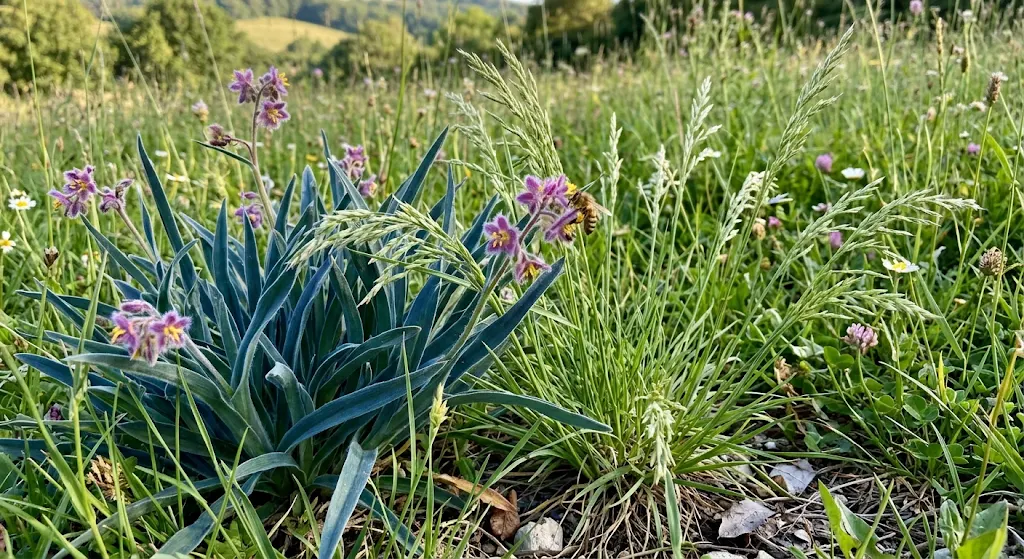
The term Lyposingrass has started attracting attention across gardening websites, natural wellness discussions, and online searches. People want to know whether it is a newly discovered plant, a type of lemongrass, an herbal supplement, or something associated with natural health. However, there is an important detail that many online articles overlook: Lyposingrass does not currently have a clearly established scientific identity.
This uncertainty makes the subject particularly interesting. Different websites associate the name with different plants and wellness products, sometimes presenting health benefits without identifying the actual botanical ingredient. Understanding what Lyposingrass refers to requires looking beyond marketing descriptions and examining scientific plant names, established botanical information, and credible health research.
In this guide, we explore the meaning of Lyposingrass, its possible connections to familiar plants, its claimed applications, gardening considerations, safety questions, and practical ways to evaluate information before buying or using anything advertised under this name.
What Is Lyposingrass? Understanding Its Actual Meaning
Lyposingrass is best understood as an unverified or inconsistently used plant-related name, rather than the established scientific name of a particular species. Some online descriptions associate it with aromatic lemongrass, while others use it when discussing ornamental plants such as Liriope.
This distinction is important because botanical identification determines whether a plant is suitable for cooking, ornamental landscaping, or other applications. A familiar-looking leaf does not automatically make two plants interchangeable.
Is Lyposingrass a Scientifically Recognized Plant?
There is currently no established botanical species that can confidently be identified by the exact name Lyposingrass. It also does not have a verified scientific classification, officially documented varieties, or a universally accepted botanical description.
For comparison, two genuine plants that appear in online discussions about this term are:
-
Cymbopogon citratus: Commonly known as West Indian lemongrass, an aromatic tropical grass used in cooking and traditional preparations.
-
Liriope muscari: An evergreen, grass-like perennial commonly grown for decorative foliage and seasonal flowers.
These plants belong to different botanical groups and serve different purposes. The Royal Horticultural Society identifies Liriope as lilyturf, an ornamental perennial suitable for borders and ground cover.
RHS+1
Why Does the Name Have Different Meanings Online?
There are several possible explanations for the inconsistent use of this keyword:
-
Informal naming: A seller or website may use an unofficial name to describe a familiar plant.
-
Marketing terminology: A commercial product may use a distinctive name to attract attention.
-
Spelling variations: A search term may originate from a typing error, translation, or misunderstood botanical name.
-
Content repetition: Websites may repeat descriptions from other online articles without independently verifying the plant’s identity.
The result is confusion between an actual plant species and a name used to describe it. Readers should therefore look for a botanical name, product manufacturer, or complete ingredient list before accepting any description.
Lyposingrass and Lemongrass: Are They the Same?
One of the most common associations is between Lyposingrass and lemongrass. The connection makes sense when a website describes a tall, aromatic plant with narrow green leaves, a citrus fragrance, and culinary applications.
However, the two names should not automatically be treated as synonyms. Lemongrass is the established common name for several aromatic grasses in the genus Cymbopogon, with Cymbopogon citratus being a widely used culinary species.
How to Identify Genuine Lemongrass
If a seller uses Lyposingrass to describe an edible herb, check whether the plant matches the following characteristics:
-
Leaf structure: Long, narrow, green leaves that grow in dense clumps.
-
Fragrance: A recognizable fresh citrus scent when a leaf is gently crushed.
-
Stalk appearance: Thicker, pale green or whitish lower stalks.
-
Growth pattern: Upright, spreading foliage that develops into a substantial clump.
-
Botanical identification: The label should specifically identify the plant as Cymbopogon citratus if it is being sold as culinary lemongrass.
The citrus fragrance is associated with essential-oil compounds, particularly citral. Nevertheless, scent alone is not sufficient to establish that an unfamiliar plant is safe to eat.
Lyposingrass vs. Liriope
Another source of confusion is Liriope, which is sometimes called monkey grass or lilyturf.
| Feature | Lemongrass | Liriope |
|---|---|---|
| Scientific name | Cymbopogon citratus | Liriope muscari |
| Main purpose | Culinary herb | Ornamental gardening |
| Appearance | Tall aromatic grass | Compact grass-like foliage |
| Flowers | Inconspicuous in cultivation | Purple or white flower spikes |
| Garden use | Herb gardens and containers | Borders and ground cover |
| Edible identification | Recognized culinary herb | Do not assume edible |
The important takeaway is simple: never consume a plant just because an online article associates it with an edible herb. Confirm its scientific identity first.
What Does Lyposingrass Look Like?
Because Lyposingrass has no confirmed botanical identity, there is no single scientifically verified appearance that applies to every plant sold or described under this name.
When the term refers to lemongrass, the plant generally develops long, arching foliage with a dense base. Its lower stalks become thicker as the plant matures, while the leaves extend outward and upward.
Some useful visual identification features include:
-
Narrow, blade-shaped foliage.
-
A dense, clumping growth habit.
-
Green leaves that become lighter toward the base.
-
A distinct citrus aroma in genuine lemongrass.
-
A fibrous root system that supports the growing clump.
The appearance can change depending on the plant’s age, growing conditions, container size, and available sunlight.
Where Does Lemongrass Come From?
When the intended plant is Cymbopogon citratus, its botanical background provides a much more reliable starting point than the ambiguous online name.
Lemongrass is associated with tropical and subtropical cultivation and is widely used in Asian cuisines. Its fragrant stalks have become particularly familiar in Southeast Asian cooking, where they provide a fresh citrus-like aroma to soups, curries, marinades, and sauces.
Over time, cultivation expanded into other warm regions where the climate supports its growth. Today, lemongrass is familiar in herb gardens, commercial agricultural production, culinary markets, and essential-oil applications.
It is important to distinguish a plant’s natural geographic range from the places where it is commercially cultivated. These are not necessarily the same.
Common Uses Associated With Lyposingrass
The possible uses depend entirely on which plant or product the name describes. If the intended species is genuine culinary lemongrass, several practical applications are well established.
1. Cooking and Food Preparation
Lemongrass is widely appreciated for its distinctive citrus fragrance. Unlike lemon juice, it adds an aromatic, slightly herbal flavor that works particularly well in savory recipes.
Common applications include:
-
Thai-style soups and curries.
-
Chicken and seafood marinades.
-
Coconut-based sauces.
-
Rice and vegetable dishes.
-
Broths and slow-cooked recipes.
-
Homemade herbal beverages.
The lower stalk is generally the preferred part for cooking. Tough outer layers can be removed, while harder pieces added to soups are often taken out before serving.
2. Herbal Tea and Infusions
Lemongrass tea is another familiar preparation. Fresh or properly identified dried lemongrass is steeped in hot water to create a naturally aromatic drink.
Some people combine it with ginger, mint, honey, or lemon. The result is a refreshing beverage that can be enjoyed as part of an ordinary diet.
However, a homemade infusion should not be confused with a concentrated herbal extract. Their ingredient concentrations and potential effects can differ considerably.
3. Gardening and Landscaping
If the intended plant is lemongrass, it can provide attractive foliage in herb gardens and suitable outdoor landscapes. Its upright growth and fresh green appearance make it useful as a functional planting rather than simply a decorative feature.
Liriope, on the other hand, is a more established choice for ornamental ground cover, shaded borders, and landscape edging.
Choosing between these plants should depend on the intended purpose, available space, climate, and maintenance requirements.
4. Fragrance and Essential-Oil Applications
Lemongrass contains naturally occurring volatile compounds that contribute to its recognizable fragrance. Its essential oil is used in certain fragrance, personal-care, and household products.
The oil is more concentrated than the fresh plant. This difference matters when evaluating topical products, because concentrated essential oils may cause irritation or sensitivity in some people.
Do not assume that every product marketed as Lyposingrass contains genuine lemongrass oil.
Potential Health Benefits: What Does Research Actually Say?
Health-related claims are one reason unfamiliar plant names attract attention. Websites may describe Lyposingrass as an antioxidant-rich ingredient or associate it with digestion, immunity, weight management, and general wellness.
However, there is an important evidence gap: no specific health benefit can currently be established for Lyposingrass itself because its botanical identity and composition have not been verified.
If the name is being used to describe genuine lemongrass, existing research on Cymbopogon citratus provides some useful scientific context.
1. Antioxidant Activity
Lemongrass contains naturally occurring plant compounds, including phenolic substances and flavonoids. Researchers have investigated their antioxidant activity in laboratory experiments.
Antioxidants are studied because they can interact with free radicals and other reactive molecules. However, laboratory antioxidant activity does not automatically demonstrate that drinking lemongrass tea produces a measurable health benefit in humans.
2. Antimicrobial Properties
Some laboratory studies have investigated the antimicrobial activity of lemongrass extracts and essential oils.
A 2025 study published in the scientific literature examined Cymbopogon citratus leaf extract against selected microorganisms. It reported antimicrobial activity against certain tested organisms, although the results varied depending on the microorganism and experimental concentration.
PubMed
This is interesting research, but it does not establish lemongrass as a replacement for antibiotics or conventional infection treatment.
3. Digestive Wellness
Lemongrass has a history of traditional use in herbal preparations, including beverages associated with digestive comfort.
Its aromatic flavor also makes it a pleasant ingredient in after-meal drinks. Nevertheless, there is insufficient clinical evidence to claim that it reliably treats indigestion, stomach disorders, or other digestive diseases.
4. Anti-Inflammatory Research
Researchers have also investigated compounds found in lemongrass for potential anti-inflammatory activity.
Such findings are useful for understanding how plant chemicals behave under controlled conditions. But laboratory observations should not be confused with proof of an effective anti-inflammatory treatment in people.
5. Weight Management and Metabolism
Some online descriptions associate Lyposingrass with fat burning, improved metabolism, and weight reduction.
These claims deserve particular caution. There is no established clinical evidence demonstrating that Lyposingrass independently causes weight loss, burns body fat, or produces significant metabolic improvements.
A citrus-scented herbal drink should not be presented as a scientifically proven weight-loss solution.
What Is Proven and What Is Still Uncertain?
| Claim | Current evidence |
|---|---|
| Culinary use of lemongrass | Well established |
| Characteristic citrus fragrance | Established |
| Antioxidant activity in laboratory research | Investigated |
| Antimicrobial activity in laboratory research | Investigated |
| Treatment of digestive diseases | Not established |
| Guaranteed weight loss | Not established |
| Disease prevention or cure | Not established |
| Unique benefits of Lyposingrass | Unverified |
The distinction between traditional use, laboratory research, and human clinical evidence is essential. It prevents interesting scientific findings from becoming exaggerated health promises.
How to Grow Lemongrass at Home
If your plant is confirmed as Cymbopogon citratus, growing it at home is relatively straightforward when you provide the right environment.
1. Choose the Right Location
Lemongrass grows best in a warm, sunny location. Ideally, choose a position that receives approximately six or more hours of direct sunlight daily.
If you live in a colder region, container gardening is particularly useful because you can move the plant indoors when temperatures fall.
2. Prepare Suitable Soil
Use fertile soil with good drainage and enough organic matter to retain moisture.
A suitable growing medium should:
-
Allow excess water to drain.
-
Retain sufficient moisture for healthy roots.
-
Provide room for root development.
-
Contain organic matter to support growth.
Avoid leaving the roots sitting in permanently waterlogged soil.
3. Water Regularly
Lemongrass appreciates consistent moisture, particularly during active growth and warm weather.
Check the soil regularly rather than following a rigid watering schedule. Container plants may need more frequent watering because their growing medium dries out faster than garden soil.
4. Maintain Suitable Temperatures
Warm conditions encourage vigorous foliage production. Cold weather can slow growth, while frost may seriously damage or kill exposed plants.
In regions with freezing winters, grow lemongrass in containers and bring it into a protected, bright location before severe cold arrives.
5. Maintain the Plant
Remove dead or damaged foliage when necessary. Give mature plants sufficient room to develop, and use gloves when handling large clumps because leaf edges can be rough.
Balanced feeding during active growth may help maintain healthy foliage, but excessive fertilizer is unnecessary.
How to Grow Lemongrass From Grocery Store Stalks
One practical way to start a lemongrass plant is to use fresh supermarket stalks.
Follow these steps:
-
Select healthy stalks: Choose fresh, firm stalks with an intact lower base.
-
Prepare a container: Add enough clean water to cover the bottom portion.
-
Position the stalks: Keep the lower ends in water and place the container somewhere warm and bright.
-
Watch for roots: Check periodically for root development and signs of fresh growth.
-
Prepare a pot: Fill a container with suitable, well-draining potting soil.
-
Transplant carefully: Once the stalk develops a healthy root system, transfer it into the growing medium.
-
Maintain moisture: Water appropriately while the young plant establishes itself.
Not every supermarket stalk will grow successfully. Some are trimmed too heavily or have damaged growing bases.
Harvesting and Storing Lemongrass
When a confirmed lemongrass plant develops sufficiently thick stalks, you can begin harvesting selected outer stems.
Cut or remove suitable stalks carefully near their base without damaging the entire clump. Leaving healthy growing sections behind allows the plant to continue developing.
For storage, consider these methods:
-
Refrigeration: Keep fresh stalks in the refrigerator for short-term use.
-
Freezing: Divide stalks into convenient portions before freezing.
-
Drying: Dry suitable leaves for later use in infusions.
-
Fresh preparation: Use freshly harvested stalks for the strongest familiar aroma.
The tender lower stalk is generally preferred for cooking, while tougher leaves can provide fragrance to broths and infusions.
Is Lyposingrass Safe to Consume?
Safety depends on the actual plant or ingredients being sold under this name. An unfamiliar botanical label is not enough to establish that something is edible.
If the product is genuine culinary lemongrass, its ordinary food use is different from consuming concentrated extracts or essential oils.
Before using any product marketed as Lyposingrass, consider the following precautions:
-
Verify the scientific name and complete ingredient list.
-
Avoid consuming unidentified ornamental grasses.
-
Do not assume that concentrated essential oils are suitable for drinking.
-
Check for possible allergies or skin sensitivities.
-
Consult a healthcare professional before using concentrated herbal preparations alongside medication.
-
Seek appropriate medical advice during pregnancy or breastfeeding.
Understanding Supplement Safety
The US Food and Drug Administration explains that dietary supplements are not approved for safety and effectiveness before being marketed in the same way as prescription medicines.
Manufacturers have responsibilities regarding product safety, labeling, and truthful claims. Consumers should therefore examine supplement labels carefully rather than interpreting a product’s availability as proof of effectiveness.
FDA+1
If a seller advertises a Lyposingrass supplement as a treatment for diabetes, obesity, infections, or another medical condition, request credible clinical evidence before considering the claim.
Common Problems When Growing Lemongrass
Even genuine lemongrass can experience problems when its environment is unsuitable.
| Problem | Possible cause | Practical solution |
|---|---|---|
| Brown leaf tips | Dry soil or environmental stress | Check moisture and growing conditions |
| Yellowing foliage | Waterlogging or unsuitable conditions | Improve drainage and inspect roots |
| Slow growth | Insufficient sunlight or warmth | Move to a brighter, warmer position |
| Weak stalk development | Limited space or poor growing conditions | Use a larger container |
| Cold-damaged leaves | Low temperatures or frost | Move the plant into protection |
A useful gardening principle is to identify the problem before applying treatments. Brown leaves do not automatically mean the plant needs fertilizer, and yellow foliage does not always indicate a nutrient deficiency.
Choosing a Lyposingrass Product: What Should Buyers Check?
If you encounter Lyposingrass in a nursery, online store, or supplement advertisement, take a moment to examine the product.
The name alone is not enough.
Check the Botanical Name
Look for a scientific name that identifies the actual species. For culinary lemongrass, check for Cymbopogon citratus.
If the seller cannot identify the plant, do not assume it is edible.
Examine the Ingredient Label
For a supplement or herbal powder, check:
-
Full ingredient list.
-
Scientific plant names.
-
Plant parts used.
-
Quantity per serving.
-
Extract concentration, where applicable.
-
Manufacturer details.
-
Batch or lot identification.
-
Relevant quality-testing information.
Investigate Health Claims
Be particularly careful with advertisements promising rapid weight loss, complete detoxification, guaranteed immunity improvements, or disease cures.
A trustworthy seller should be able to explain what is actually in the product and provide evidence supporting its specific claims.
Compare Information With Reliable Sources
Useful places to investigate botanical identity and safety include:
-
Plants of the World Online (Kew) for botanical classification.
-
Royal Horticultural Society for Liriope identification and cultivation.
-
PubMed for published scientific research.
-
FDA Dietary Supplements for supplement-related consumer information.
These resources help separate documented botanical information from unsupported marketing language.
Frequently Asked Questions About Lyposingrass
1. What is Lyposingrass?
Lyposingrass is an inconsistently used online term associated with plants, herbal products, and natural wellness discussions. It does not currently have a clearly established scientific botanical identity. Some websites use it when discussing lemongrass, but the actual plant should be verified through its scientific name.
2. Is Lyposingrass the same as lemongrass?
Not necessarily. Lemongrass is a recognized aromatic grass, commonly identified as Cymbopogon citratus. Although some websites use Lyposingrass to describe it, the two names are not scientifically established synonyms. Always check the botanical identification before purchasing or consuming a plant.
3. What are the health benefits of Lyposingrass?
There are no scientifically established health benefits specifically attributable to Lyposingrass. If the term refers to genuine lemongrass, laboratory research has investigated its antioxidant and antimicrobial properties. However, these findings do not establish that it treats diseases, guarantees weight loss, or replaces medical treatment.
4. Can Lyposingrass be grown at home?
If the intended plant is Cymbopogon citratus, it can be grown at home in a garden or suitable container. It generally needs plenty of sunlight, warm temperatures, fertile soil, and regular moisture. In colder climates, container growing makes it easier to protect the plant from frost.
5. Is Lyposingrass safe to consume?
Its safety cannot be established without identifying the actual plant or product. Confirm that it is genuine culinary lemongrass before using it in food or beverages. Avoid unidentified plants and products with unclear ingredients, and consult a healthcare professional before using concentrated herbal supplements.
Conclusion: Understand Lyposingrass Before Using It
Lyposingrass is an interesting search term, but its meaning requires careful interpretation. Although some websites associate it with lemongrass and others connect it with ornamental plants such as Liriope, there is no established botanical identity that makes these descriptions interchangeable.
If you are interested in culinary applications, gardening, or herbal beverages, start by identifying the actual plant. Genuine lemongrass (Cymbopogon citratus) offers established culinary uses, an unmistakable citrus aroma, and interesting areas of ongoing scientific research.
However, avoid accepting unsupported claims about medicinal effects, fat burning, or guaranteed health improvements.
